
Have you ever heard someone talk about a “low-histamine diet” and wondered what on earth that means? You’re definitely not alone! The world of food allergies and sensitivities can feel overwhelming, but don’t worry, I’m here to break it down in simple, totally un-scary terms.
So, what is a low-histamine diet? In a nutshell, it’s an eating plan designed for people who are sensitive to histamine, a natural compound found in lots of foods. Some folks can eat pizza, cheese, or chocolate all day and feel fine, while others get headaches, hives, digestive issues, or even allergy-like reactions. If that sounds familiar, a low-histamine diet might be just what you need to start feeling better.
What Is Histamine, Anyway?
Let’s get science-y for a second (but not too much). Histamine is a chemical your body uses for a bunch of important jobs, think digestion, immune response, and sending messages between your brain and body. But here’s the kicker: when you eat foods high in histamine, and your body can’t break it down fast enough, you might feel pretty crummy. That’s why figuring out what is a low-histamine diet can make such a big difference for some people.
Why Follow a Low-Histamine Diet?
People turn to a low-histamine diet if they have symptoms like:
- Headaches or migraines
- Itchy skin or rashes
- Sneezing, runny nose, or allergy symptoms
- Stomach pain, nausea, or bloating
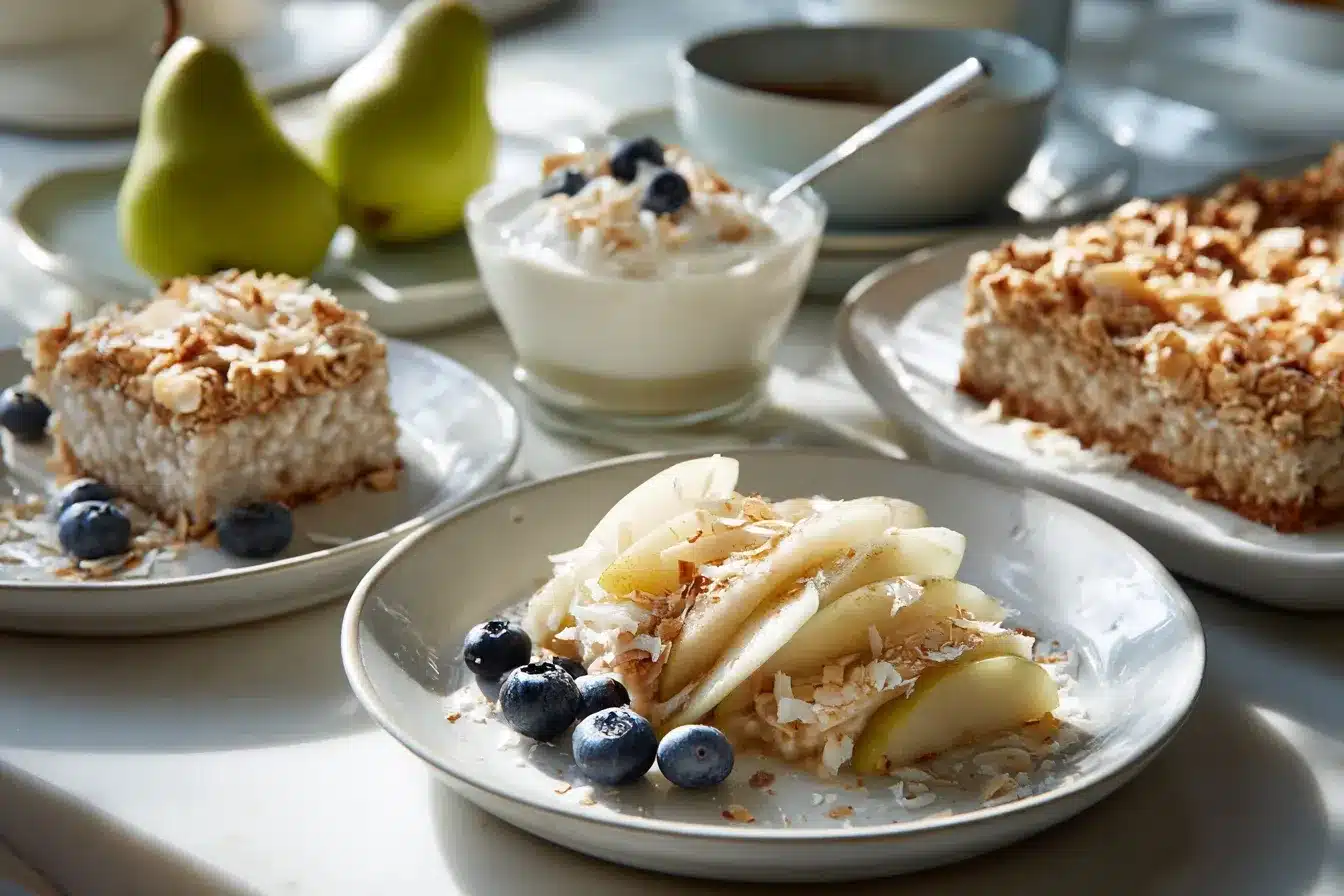
These symptoms can be caused by “histamine intolerance,” which simply means your body struggles to process and clear out histamine efficiently. A doctor or nutritionist can help confirm if this is what’s going on. If you want to see what living low-histamine looks like in dessert form, check out these low-histamine dessert ideas.
What Foods Are High in Histamine?
Some foods are naturally loaded with histamine, or they make your body release more of it. If you’re wondering what is a low-histamine diet, it’s really about learning to avoid or limit these high-histamine foods:
- Aged cheeses (think Parmesan, cheddar)
- Cured meats (salami, bacon, ham)
- Fermented foods (sauerkraut, yogurt, soy sauce)
- Alcohol, especially red wine and beer
- Canned, smoked, or processed fish (tuna, sardines)
- Tomatoes, spinach, and eggplant
- Vinegar and foods containing vinegar
- Chocolate (sorry, I know)
So, What Can You Eat on a Low-Histamine Diet?
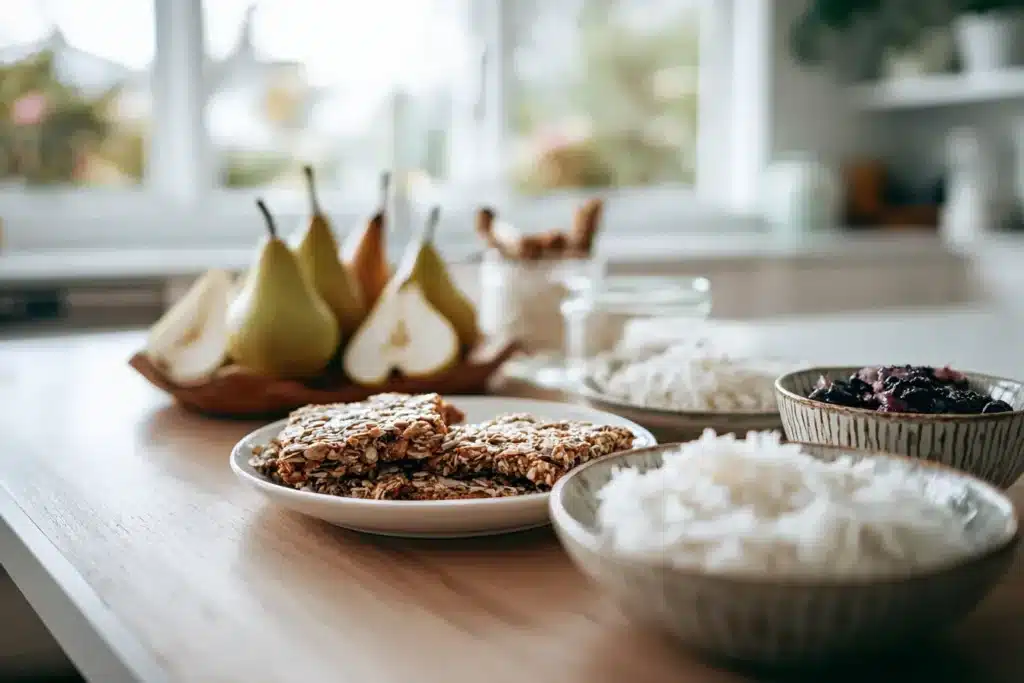
Here’s the good news: there are still SO many foods you can enjoy. A low-histamine diet focuses on fresh, minimally processed ingredients and quick storage after cooking. Some safe choices include:
- Fresh meats (chicken, turkey, freshly caught fish)
- Eggs
- Gluten-free grains (rice, quinoa, oats)
- Most leafy greens and root veggies
- Apples, pears, blueberries, mangoes
- Dairy substitutes like rice milk or coconut milk
When you’re figuring out what is a low-histamine diet, remember: everyone’s different! Some people tolerate certain foods better than others, so a bit of experimenting is normal.
Tips for Success on a Low-Histamine Diet
- Eat foods as fresh as possible, histamine levels rise in leftovers.
- Freeze portions if you meal-prep so they stay safe longer.
- Keep a food journal to track symptoms and find your triggers.
- Get creative with recipes! There are so many ways to make tasty, satisfying meals and treats, even with a low-histamine twist.
Final Thoughts
So, what is a low-histamine diet? It’s an approach to eating that helps people sensitive to histamine feel better, by cutting back on certain foods and focusing on fresh, simple ingredients. If you suspect histamine intolerance or want to try a new way of eating for better health, talk with your doctor and give it a try. You might just discover a new level of energy and comfort, and some delicious new recipes, too!
For food tips, fresh updates, and drool-worthy dessert ideas, be sure to follow along on Pinterest